Birds
Parrots, conures, cockatiels, budgerigars, finches, chickens, ducks, and other companion birds. Beak, nails, and wing care available.
Draft revision preview — not the live site
Birds · Reptiles · Small Mammals
Veterinary expertise that's hard to find around Chattanooga — for the parrot, the ball python, the rabbit, the bearded dragon, and yes, on occasion, native wildlife of the area.
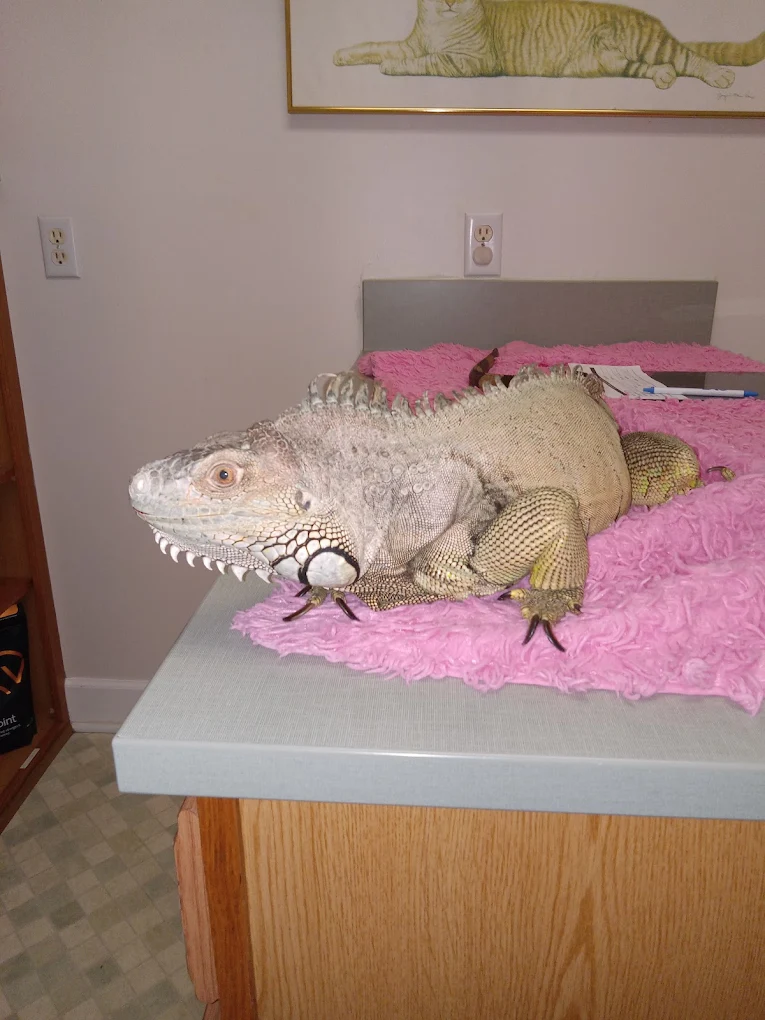
Beyond the Usual Patients
Exotic pets are not dogs and cats in costume — they have their own anatomy, their own behaviors, and their own ways of telling us something is wrong, usually subtly. The Mountain Hospital for Animals is one of the few practices in the area with the experience and the equipment to respond accordingly.
If you are driving from Chattanooga or surrounding areas with an exotic pet that needs a vet who actually knows the species, you are in the right place.
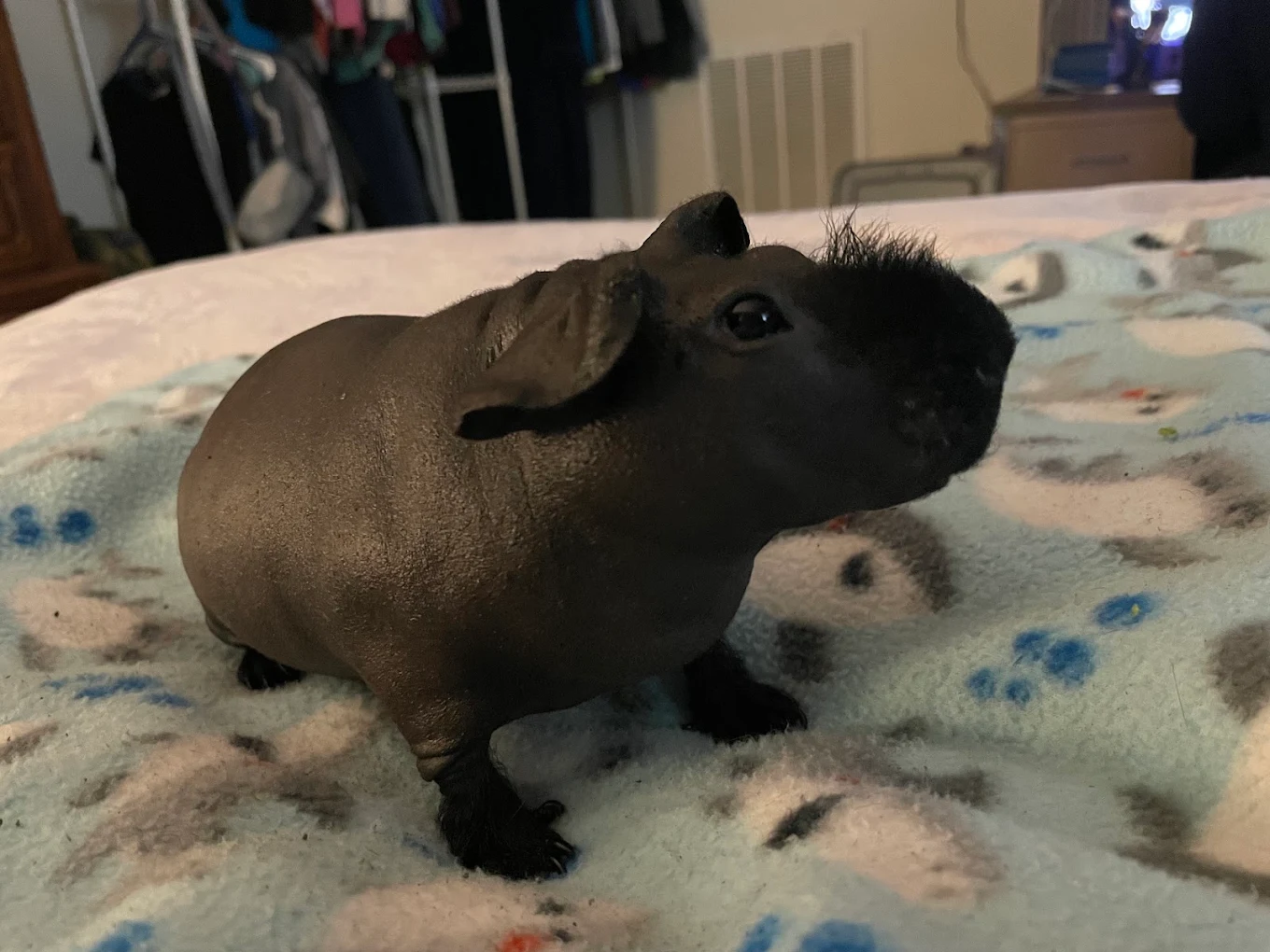
Species We See
A non-exhaustive list. If your animal isn't here, call us — chances are we've seen one.
Parrots, conures, cockatiels, budgerigars, finches, chickens, ducks, and other companion birds. Beak, nails, and wing care available.
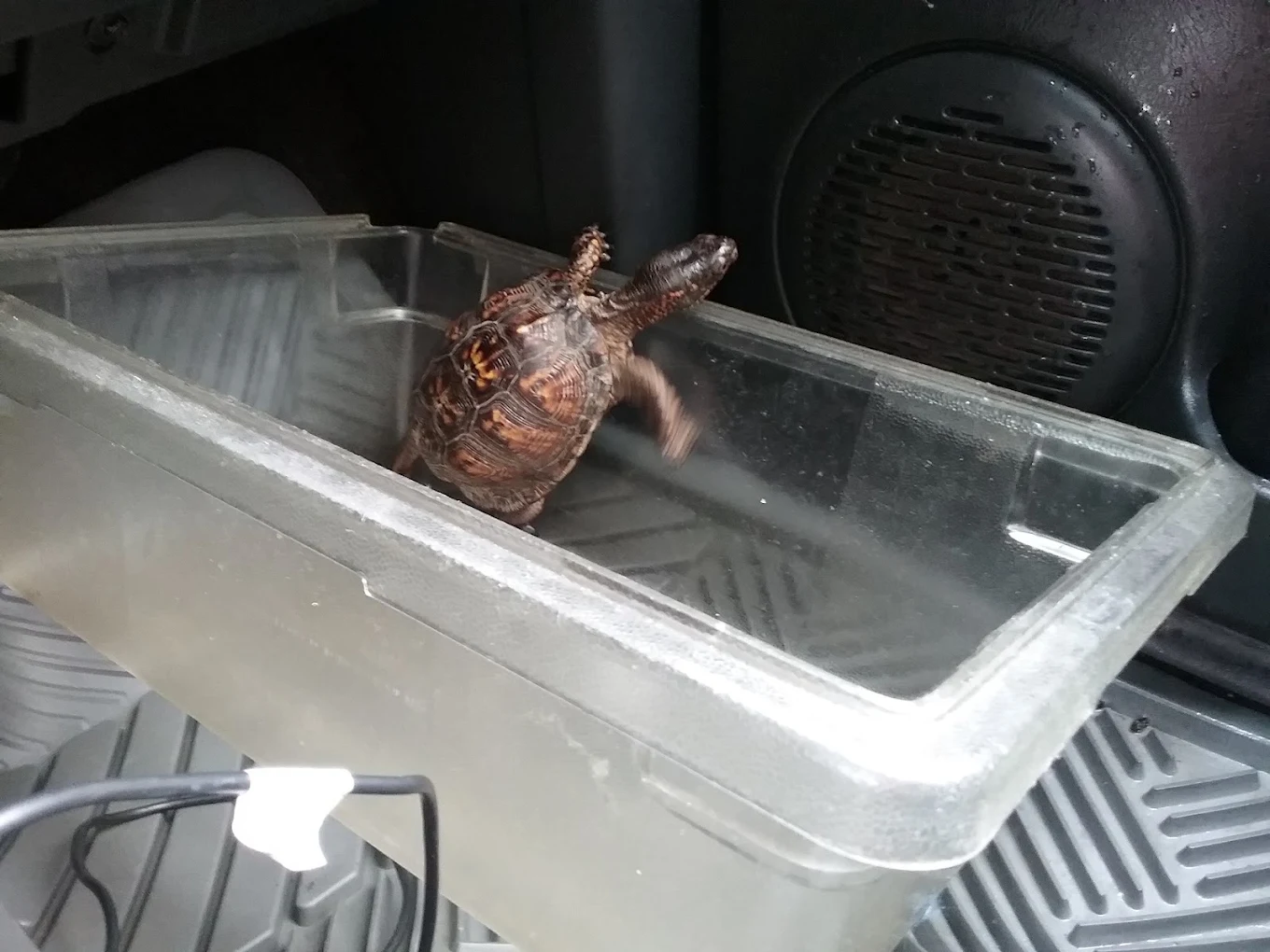
Bearded dragons, geckos, snakes, tortoises, turtles, and lizards.
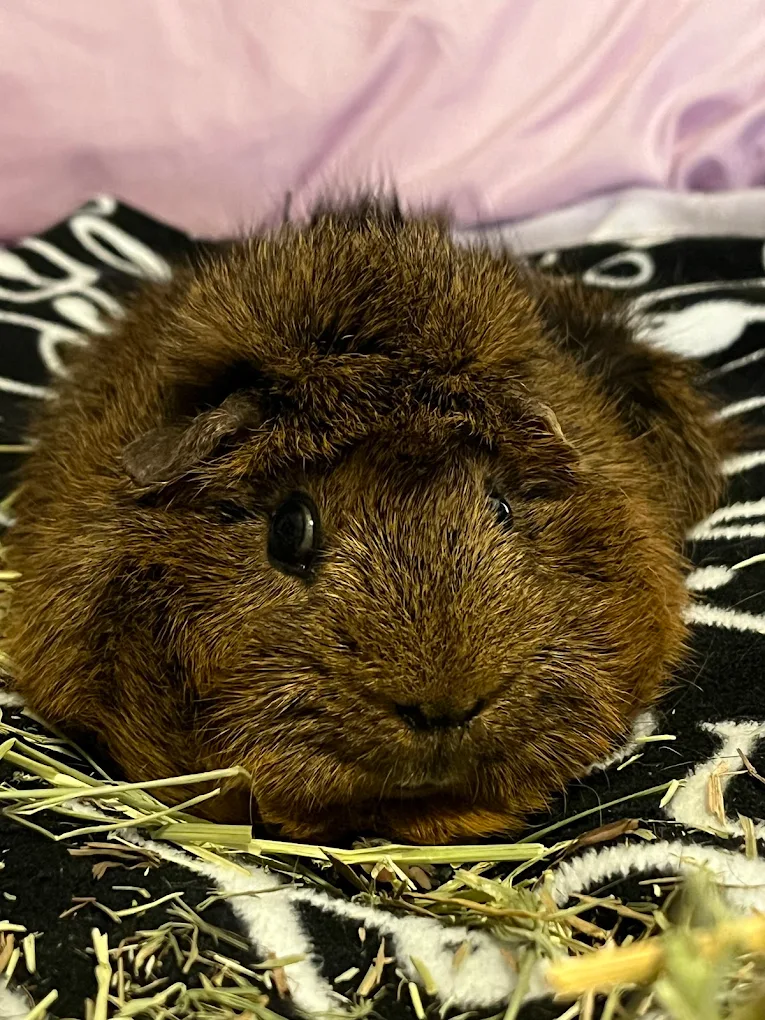
Rabbits, ferrets, guinea pigs, hamsters, rats, mice, and other pocket pets. Dental, GI stasis, and reproductive issues are common — we know what to look for.
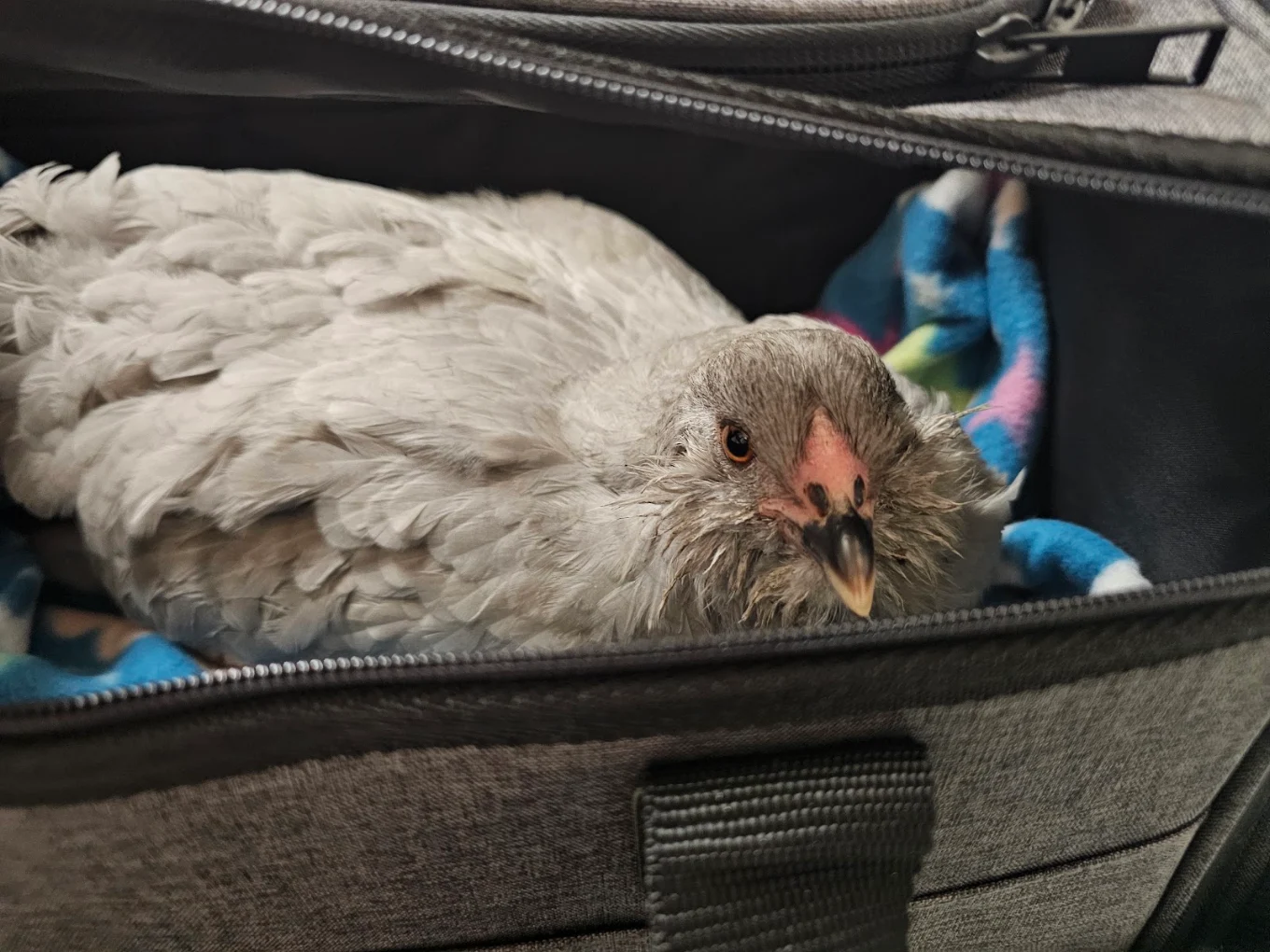
Chickens, ducks, and other backyard poultry. We treat them like pets — because for most of our clients, that is exactly what they are.
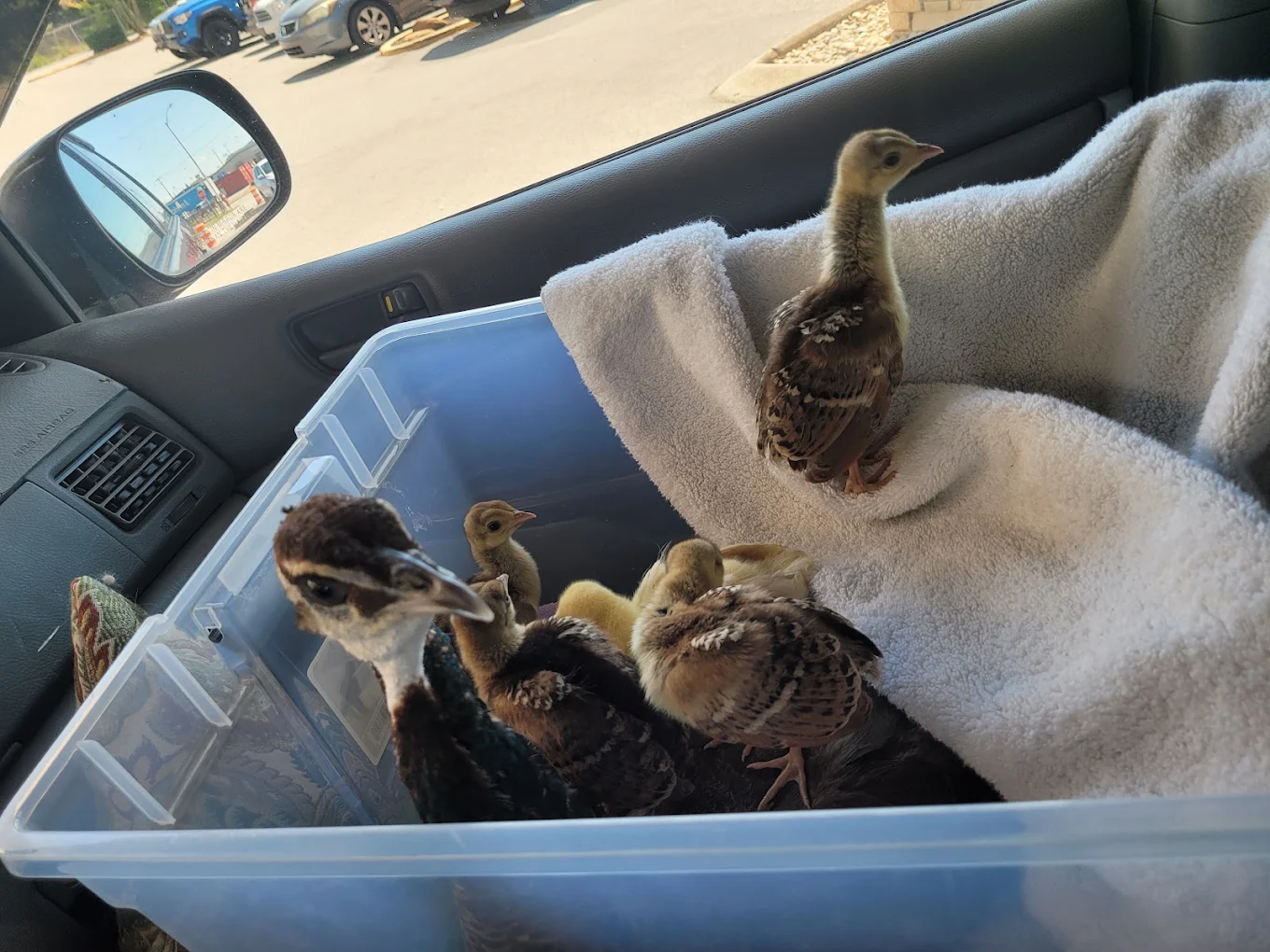
Birds of all types, raccoons, opossums, and other small mammals and reptiles. Please call ahead if you are bringing any injured or orphaned wildlife.
Amphibians, fish, aquatic species, and other less-common companions. If you are not sure we will see your species, call and ask.
What We Do
The day-to-day of exotic medicine looks different than dog-and-cat medicine — but the underlying work is the same: a careful history, a hands-on exam, the right diagnostics, and a plan you understand.
Many exotic species will not show illness until problems are advanced. A routine wellness exam — plus a real conversation about diet, enclosure setup, lighting, humidity, and handling — catches more than people expect. For new owners, this is often the most useful appointment you will have.
Bloodwork, imaging, and other diagnostic workups appropriate to the species.
GI stasis in a rabbit, a bird that has stopped eating, a reptile not basking like usual. These are the calls we are equipped for — and they are often more urgent than they seem to the observer.
Sedation and anesthesia protocols vary widely across exotic species. We use procedures that are matched to your animal with attentive monitoring throughout.
A lot of what may contribute to illness is the animal's environment. We walk through what is working and what will not. Most husbandry problems are easy to fix once you know what to change.
Common Questions
Reptiles, amphibians, fish, rabbits, rats, mice, and other small mammals. If you don't see your species listed, give us a call — the answer is usually yes.
Yes. Most companion-animal practices won't see chickens — they consider them livestock — and most large-animal practices won't either. For families with a small flock, we're often the only option in the area, and we treat them like the pets they are.
Yes, wild birds, small mammals, and reptiles will all be treated. Call ahead if you can. When you arrive you will be asked to sign an animal transfer form, so that the animal is treated and rehabilitated and returned to the wild.
Yes — arguably more than cats and dogs. Many exotic species (especially reptiles and birds) hide illness until they're seriously unwell. A baseline wellness exam, combined with a husbandry review, is one of the best things you can do for them.
Absolutely. New-owner consultations are some of our favorite appointments — we'd much rather get the enclosure, diet, and handling right at the start than untangle problems six months in. Bring photos of your setup.
If your animal needs a veterinarian who actually knows the species, give us a call — or fill out the New Patient Form ahead of your first visit.